SPARK MICROFIBRE TECHNOLOGY

Technology

Microfibre performance is determined not only by fibre fineness, but by matching fibre structure, surface construction, weave and intended use.

THE STRUCTURE BEHIND CLEANING

Performance is shaped by the details you cannot see.

The Spark portfolio is developed around technical criteria such as absorbency, dirt pickup, surface safety, low linting and service life.

The performance of a microfibre product cannot be judged by fabric weight alone. Fibre production, surface construction and intended task must be evaluated together.

That is why different surfaces and operations require the right fibre and texture for the task rather than one universal “best cloth”.

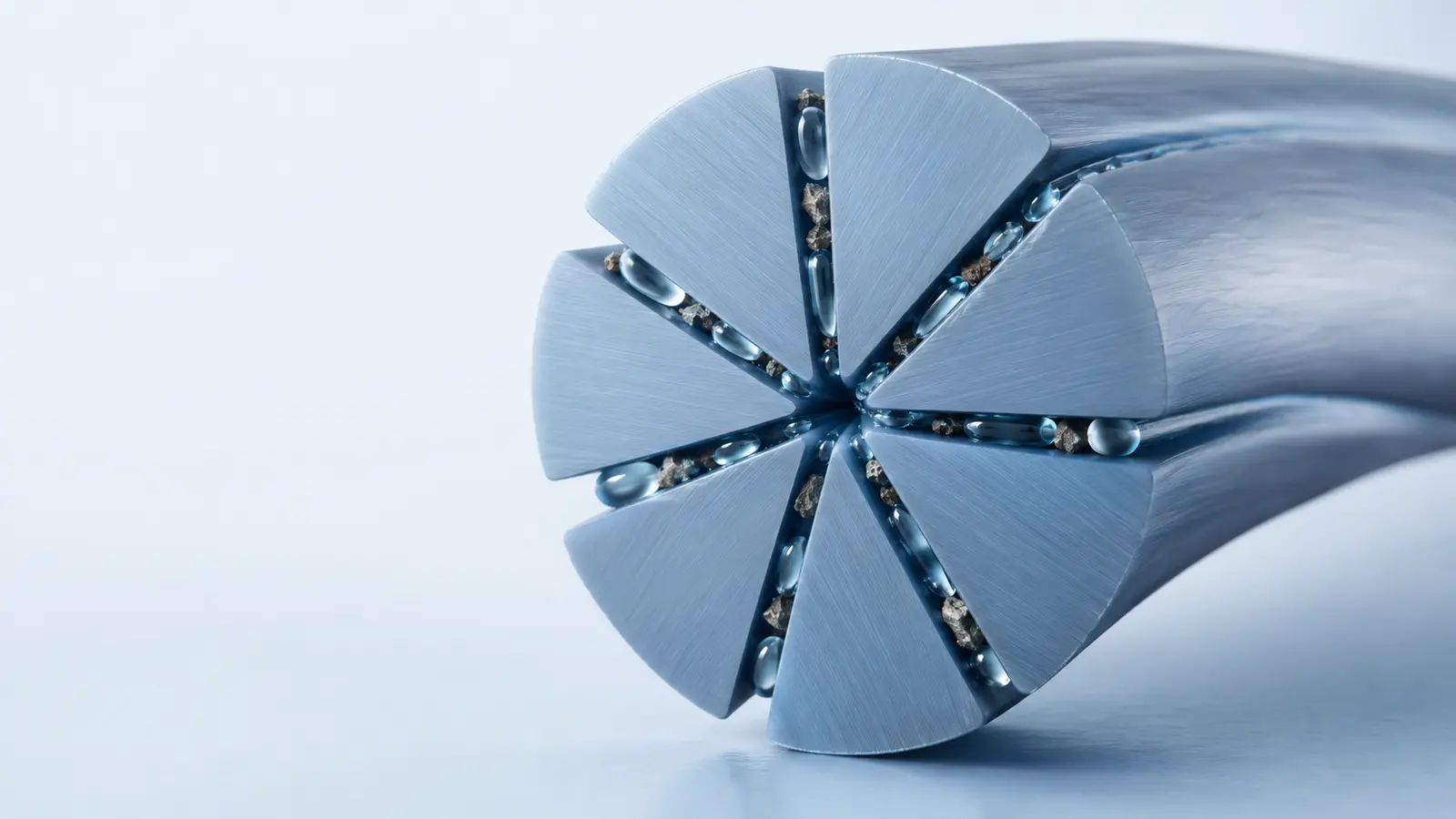
Split microfibre cross-section and capillary channels
FOUR CORE PERFORMANCE LAYERS

Technology from fibre to surface

Each construction serves a different purpose. The right result comes from matching that construction to the application.

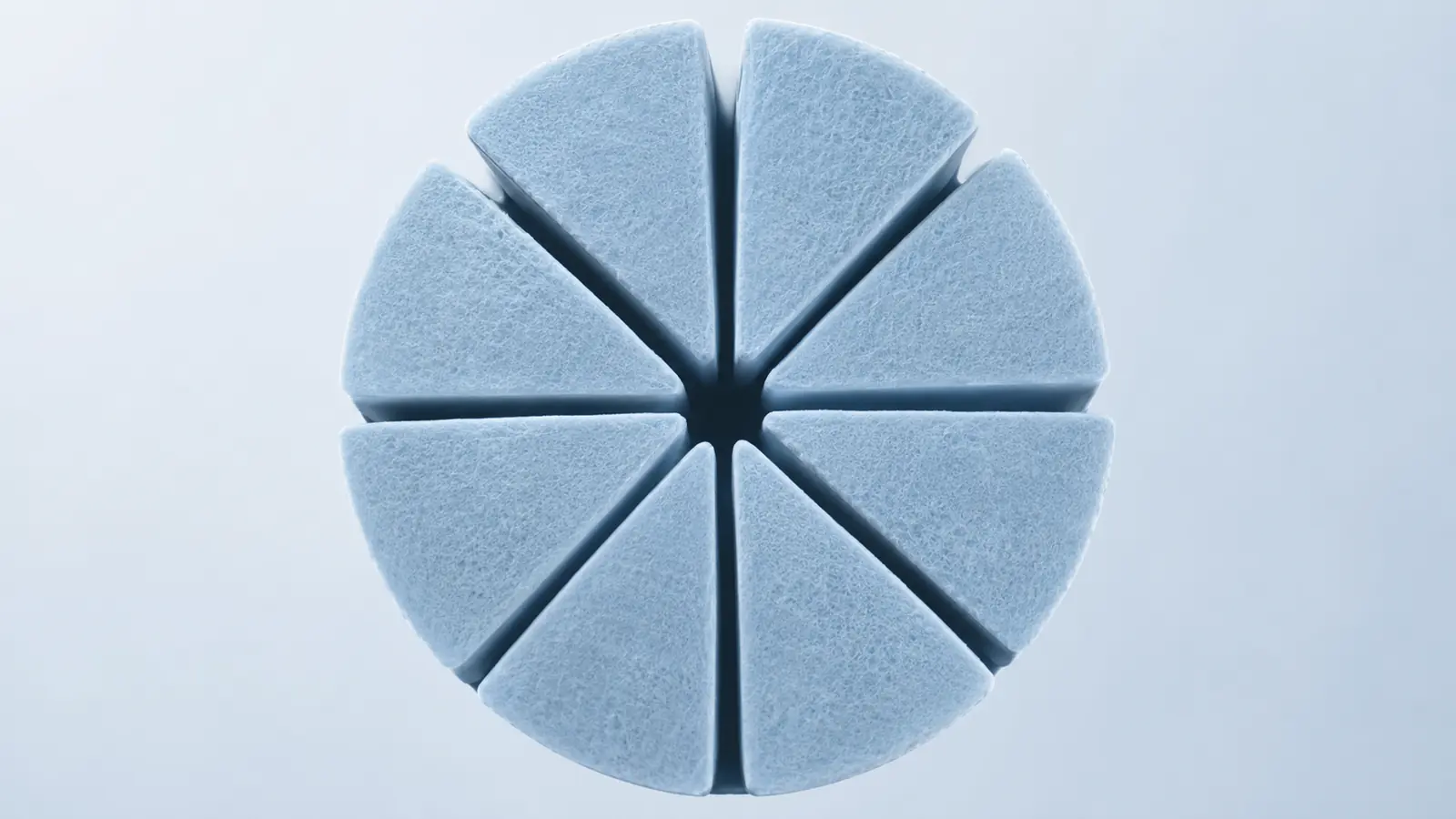
Split Fiber separated microfibre cross-section
01 · SPLIT FIBER

A structure that draws dirt and liquid into fibre channels

The split-fibre cross-section creates a larger active surface and fine capillary channels than conventional fibres, helping draw liquid and small dirt particles into the fibre structure.

  • Expanded active fibre surface
  • Helps retain dirt and moisture in the channels
  • Construction adaptable to wet and dry use
Primary application:General areas, kitchens and multipurpose surface cleaning.
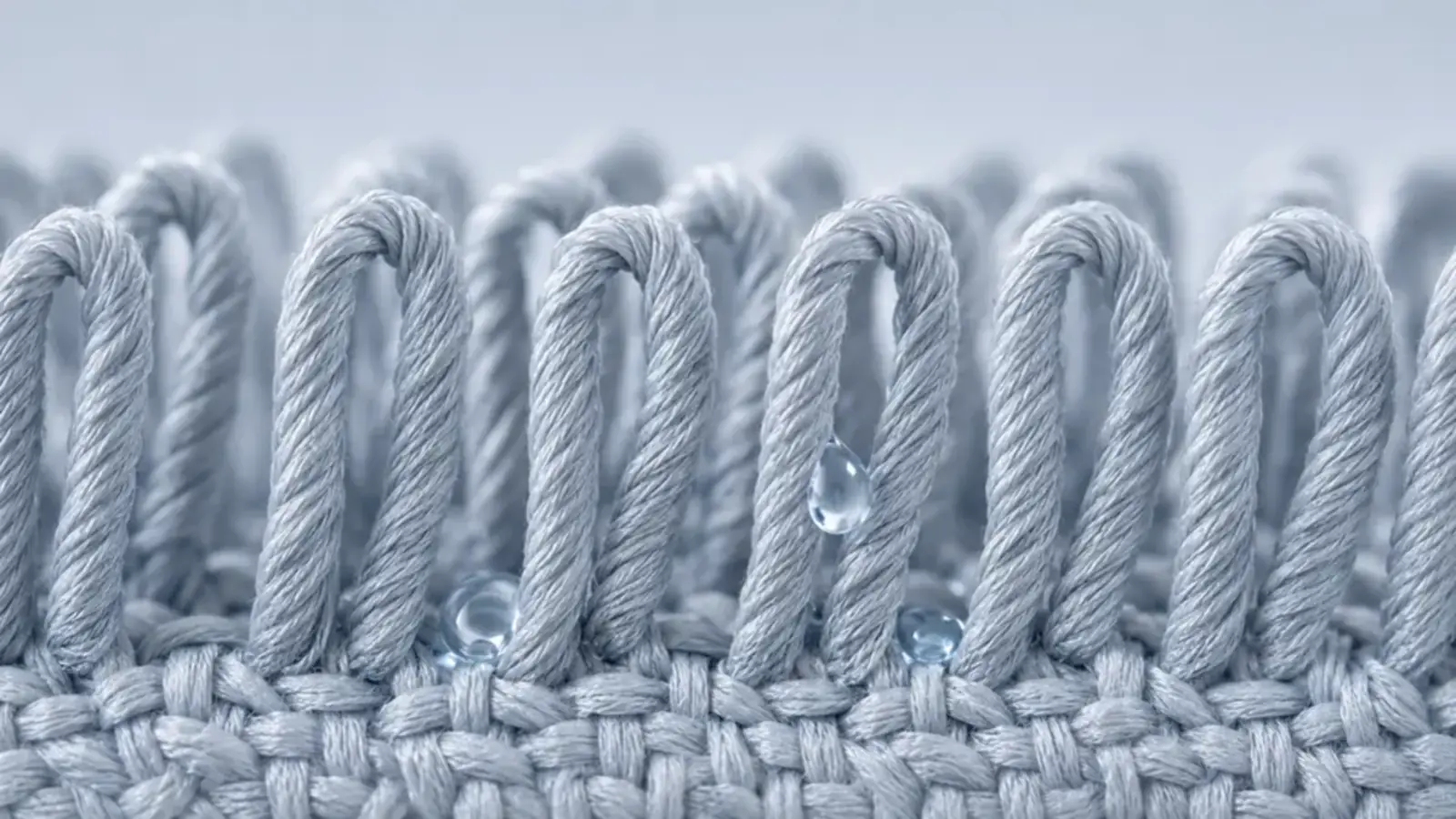
Twisted Loop microfibre construction
02 · TWISTED LOOP

High-capacity drying construction

Long, uniform loops made from twisted filaments increase the surface in contact with liquid. The construction is designed for controlled movement and high water capacity on large surfaces.

  • Loops that create a broad contact area
  • Construction designed for high water capacity
  • Supports fast drying on vehicle surfaces
Primary application:Automotive drying towels and large-surface drying tasks.
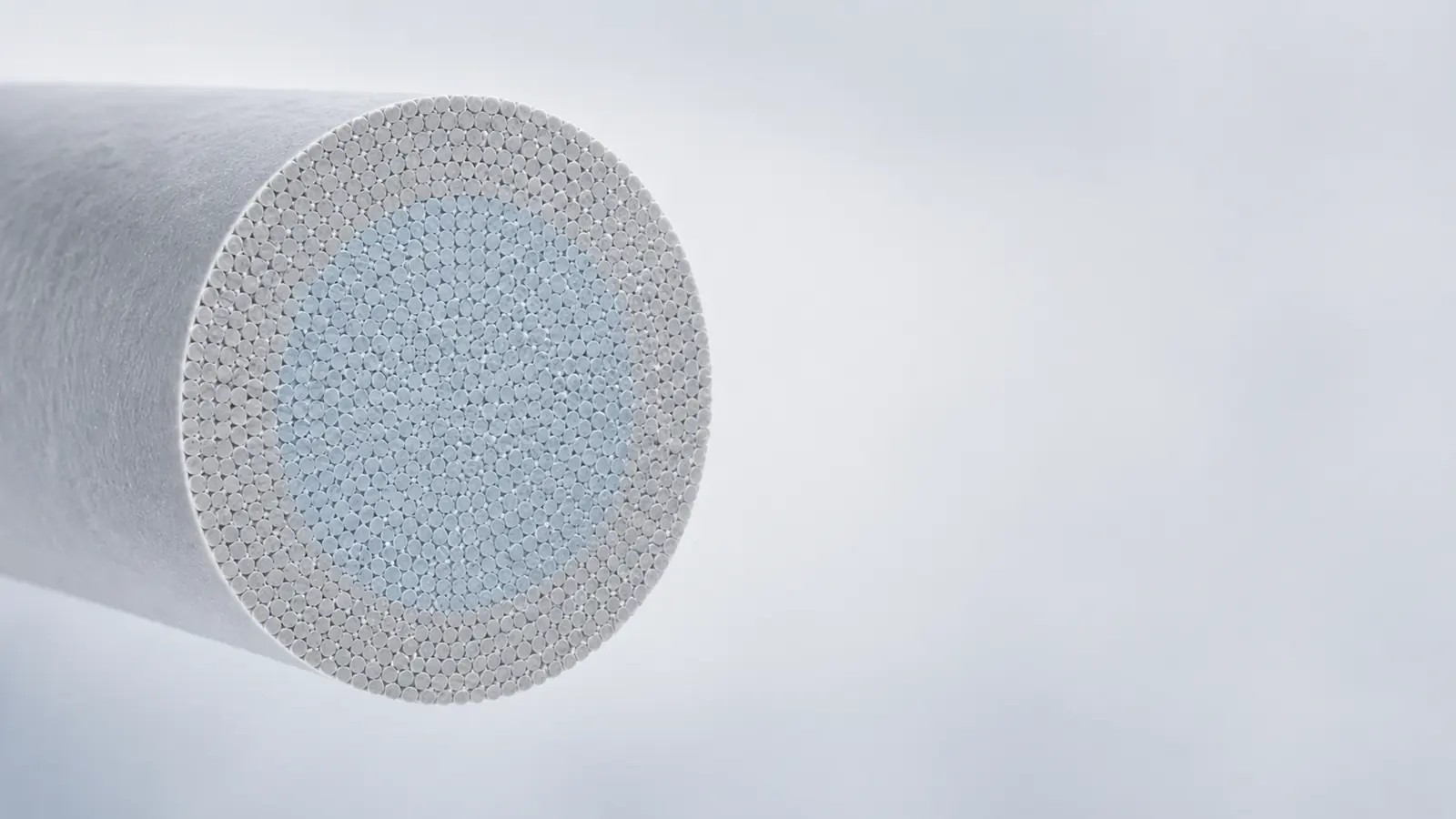
Sea Island bicomponent fibre cross-section and ultra-fine filaments
03 · SEA ISLAND / BICOMPONENT

Advanced fibre structure for ultra-fine filaments

Sea Island is a specialised bicomponent fibre process. Releasing the numerous “island” filaments within the main fibre produces exceptionally fine, controlled fibres.

  • Multiple fine filaments within one primary fibre
  • Soft, controlled surface contact
  • Suitable for low-lint and delicate finishing requirements
Primary application:Glass, polished surfaces and controlled care of delicate surfaces.
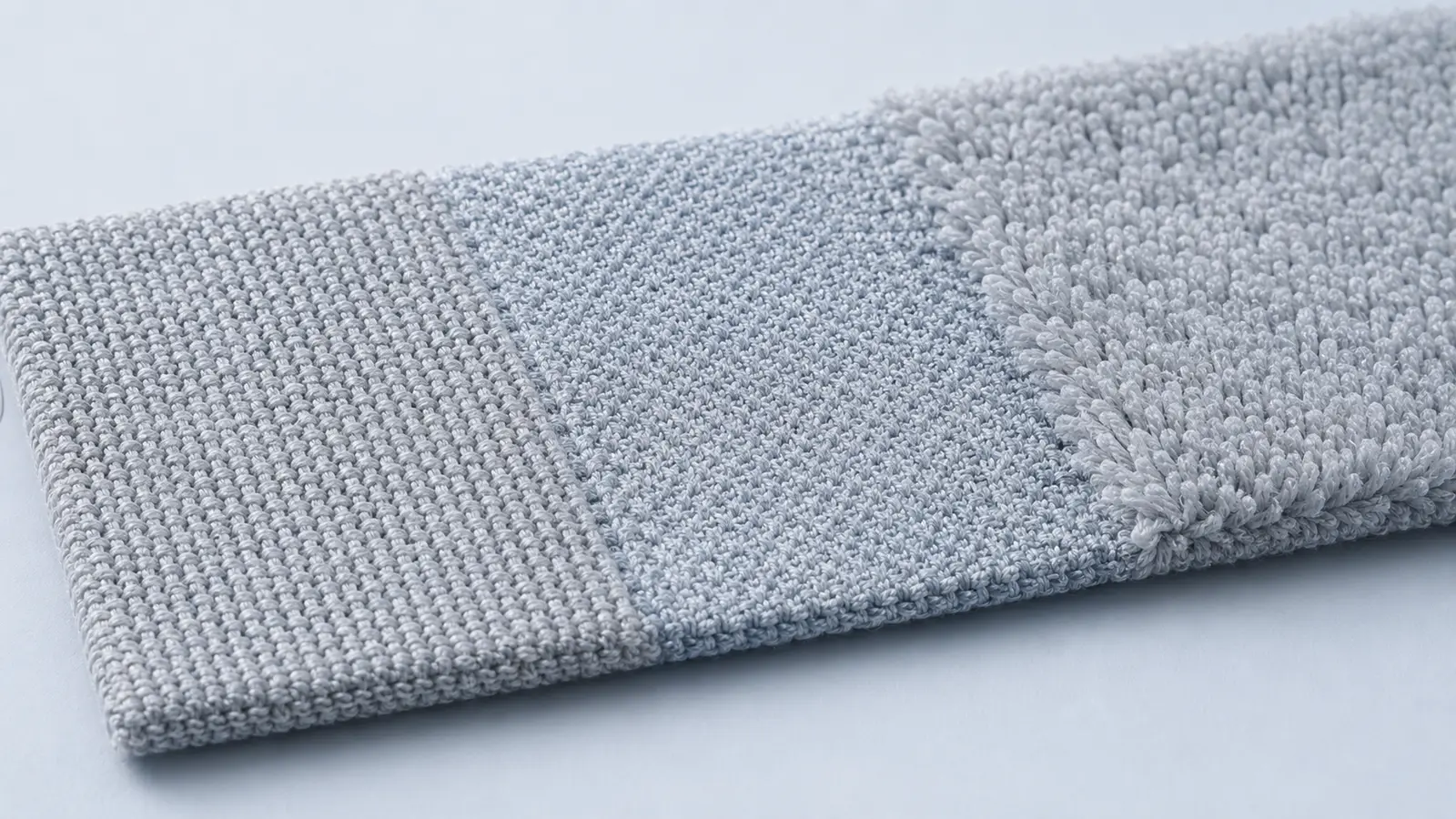
Different microfibre textures and weave constructions
04 · TEXTURE & WEAVE

The same fibre, different surface performance

A dense weave, low-profile glass texture or long-pile surface directly changes movement, contact pressure, dirt pickup and the finish left behind.

  • Controlled general cleaning with a dense weave
  • Fine texture for glass and polished-surface finishing
  • Soft contact and particle pickup with long pile
Primary application:Product selection tailored to the surface and task.
FROM TECHNOLOGY TO APPLICATION

The right construction for the right task

Product selection starts with the surface and desired result, followed by the appropriate fibre and fabric construction.

01

High liquid volume

High-capacity surfaces such as Twisted Loop meet fast-drying requirements across large areas.

02

Glass and polished surfaces

Low-profile, fine textures help reduce streaking and lint through controlled friction.

03

Delicate surfaces

Ultra-fine fibres and a soft pile support more controlled contact with the surface.

04

Everyday general cleaning

Split Fiber with a dense weave delivers a balanced combination of dirt pickup and durability.

USMER PRODUCT SELECTION APPROACH

Matching the right technology to the right application

When building the Spark portfolio, we evaluate not only appearance or fabric weight but also fibre structure, texture, surface safety, wash durability and operational efficiency.

Our aim is to define clearly where each product performs best and make product selection easier for professional users.

Explore Products →
Surface requirementContact requirements are defined for glass, paint, metal, worktops or general surfaces.
Required performancePriorities are set for drying, dirt pickup, polishing, low linting or durability.
Suitable constructionFibre structure, weave, pile height, fabric weight and dimensions are evaluated together.